Overview


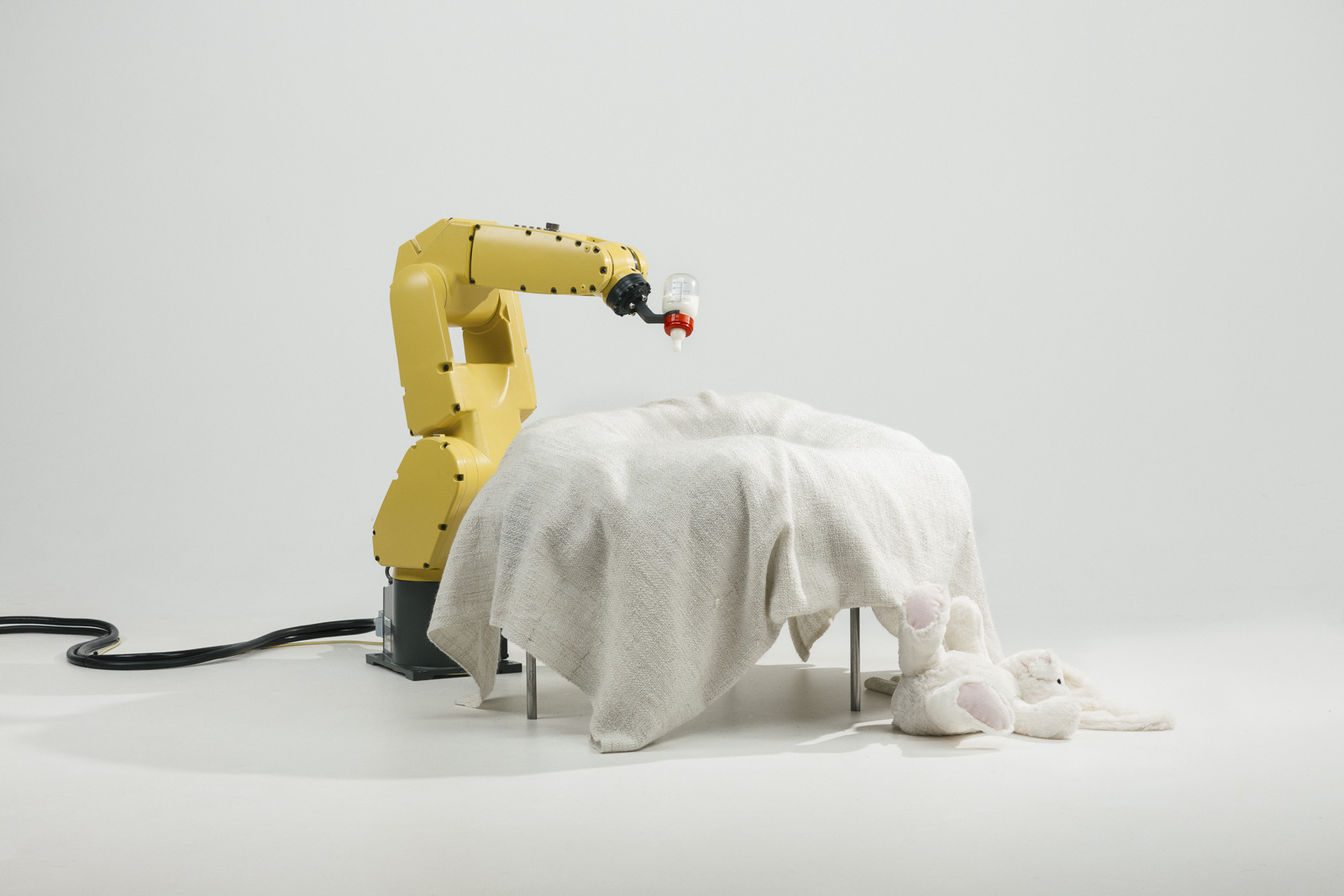
In the architecture exhibition I’m not a robot, you can explore the relationship between humans and machines. How do robots influence the way we build, think, and live? And what does it mean for us as human beings when a machine can learn and create on its own?
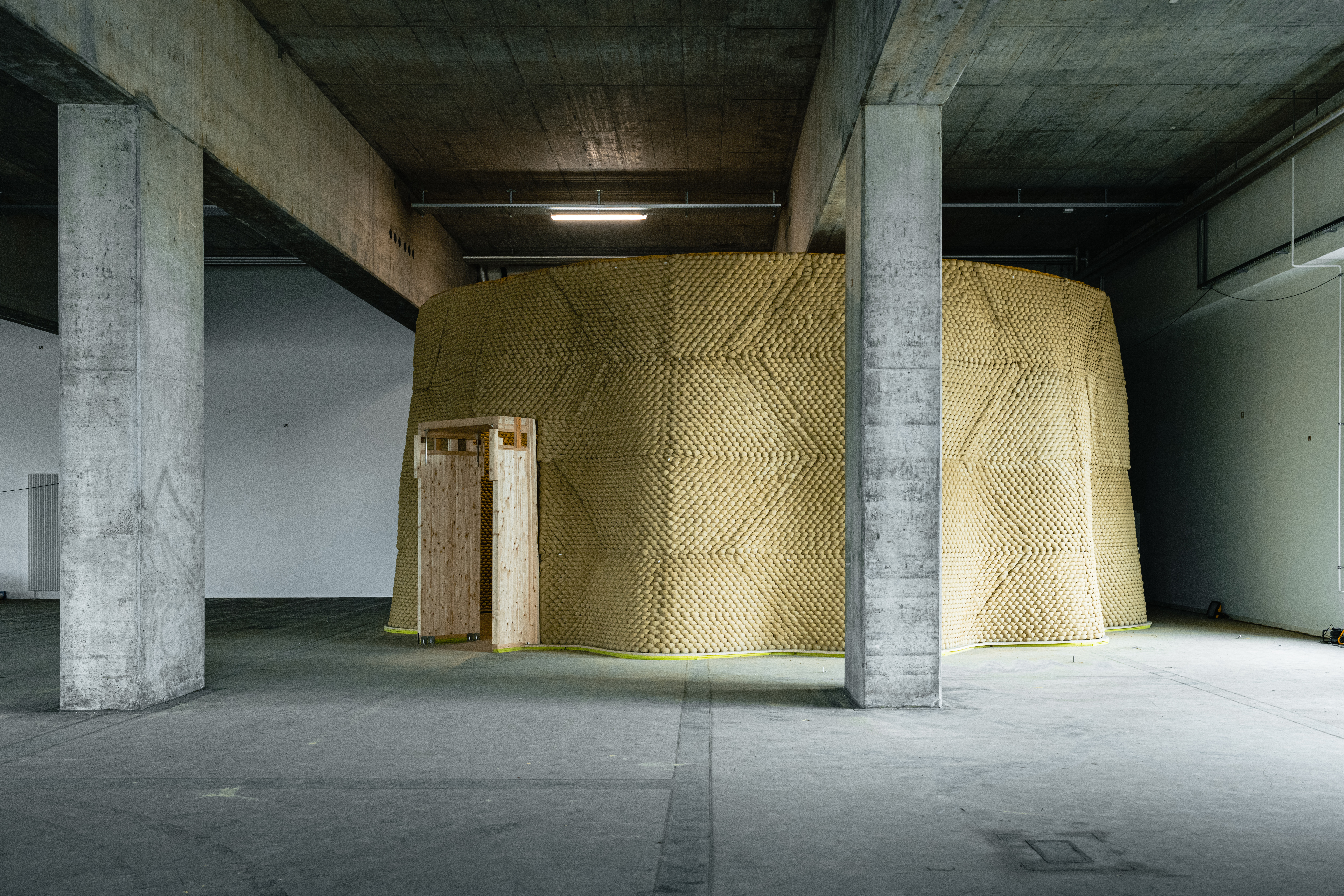
Embark on a journey through the history of robots – from the idea of a steam-powered dove to robots that draw, build, and design architecture. The exhibition offers a unique insight into how the world-leading architects Gramazio Kohler use robots as collaborative partners in their work with structure and aesthetics.
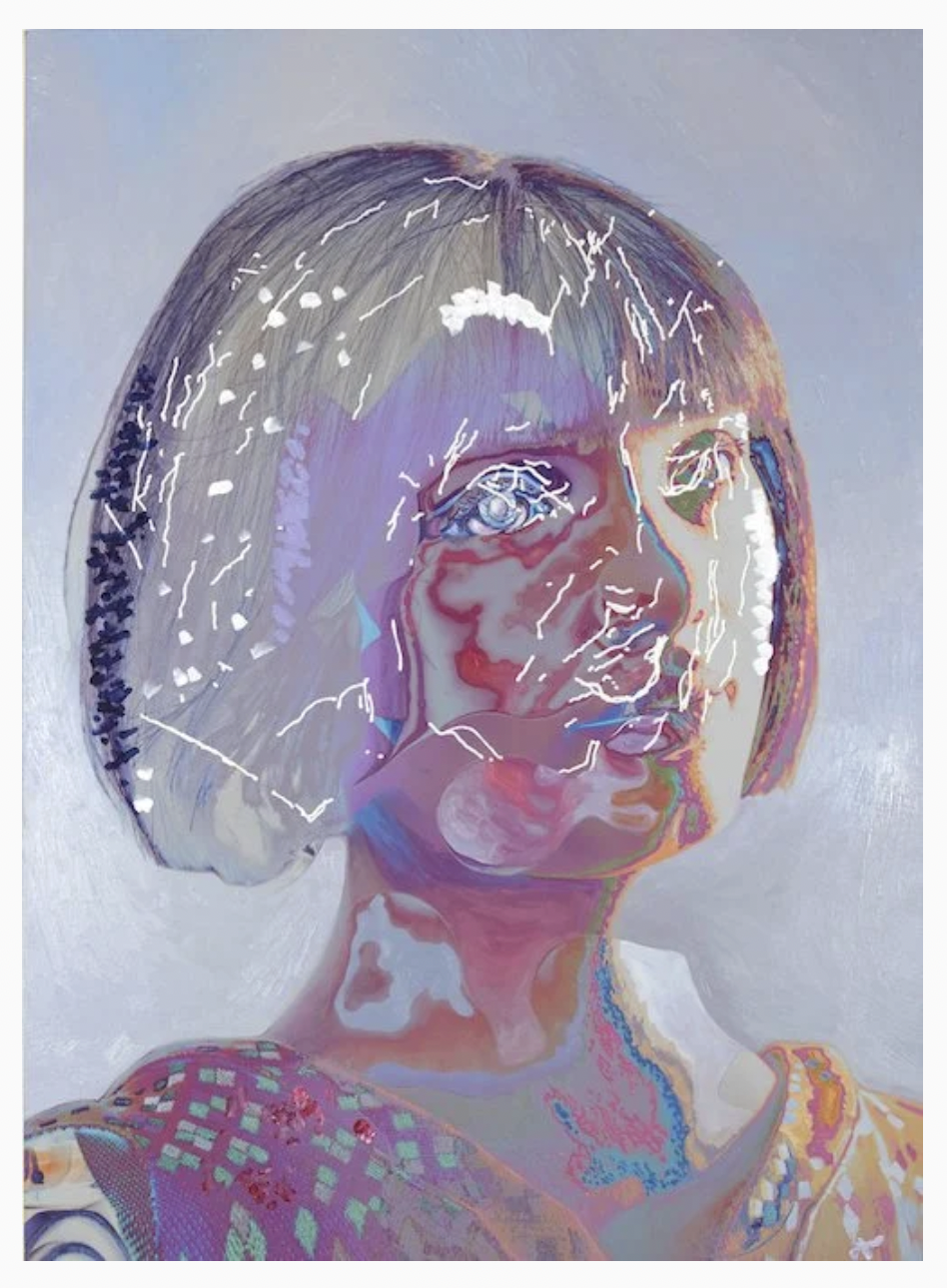
The whole family can explore the world of robots and discover how the architecture and design of the future emerge through collaboration between humans and machines. Experience extraordinary architecture built by robots and try your hand at creating your own AI-generated art.
The human and the machine
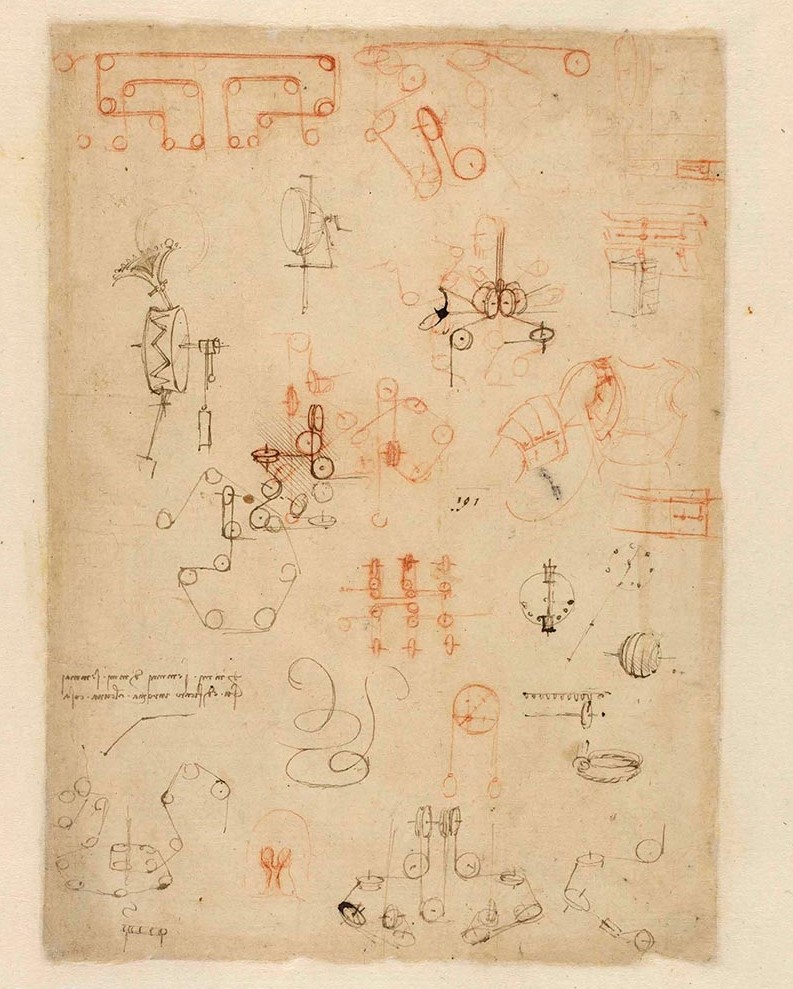
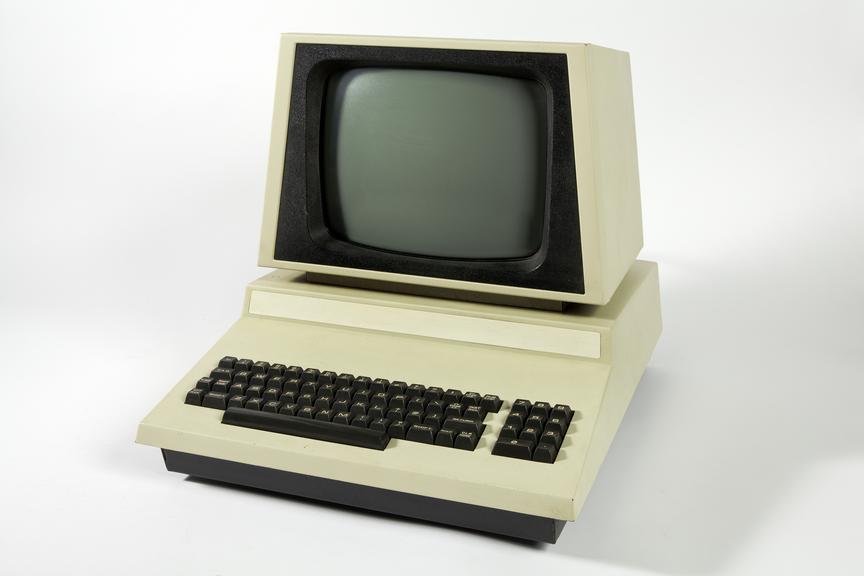
The robot is far from a new invention. For thousands of years, humans have dreamed of creating life through mechanics – from the Greek bronze giant Talos and Leonardo da Vinci’s mechanical knight to film characters such as WALL·E and R2-D2.
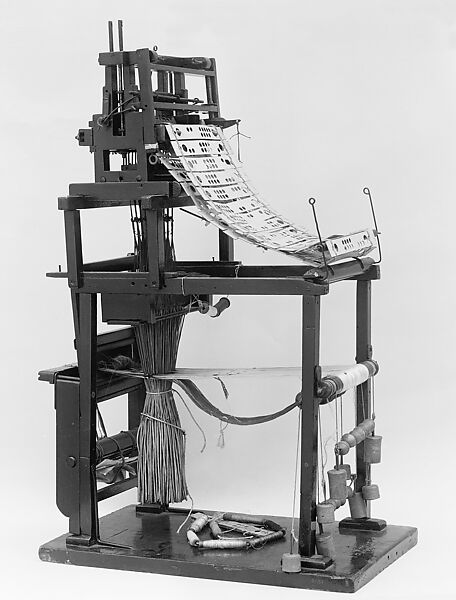
In the 19th century, that dream became reality. The Industrial Revolution sparked a technological transformation in which machines began to replace human labor. In 1920, the Czech writer Karel Čapek gave these machines a name – robots – derived from the Czech word for “worker”.
Today, we are in the midst of another major shift. Artificial intelligence and advanced robotics are challenging our understanding of what it means to be human. Machines are no longer created solely to assist us – they can learn, think, create, and even feel.
Gramazio Kohler
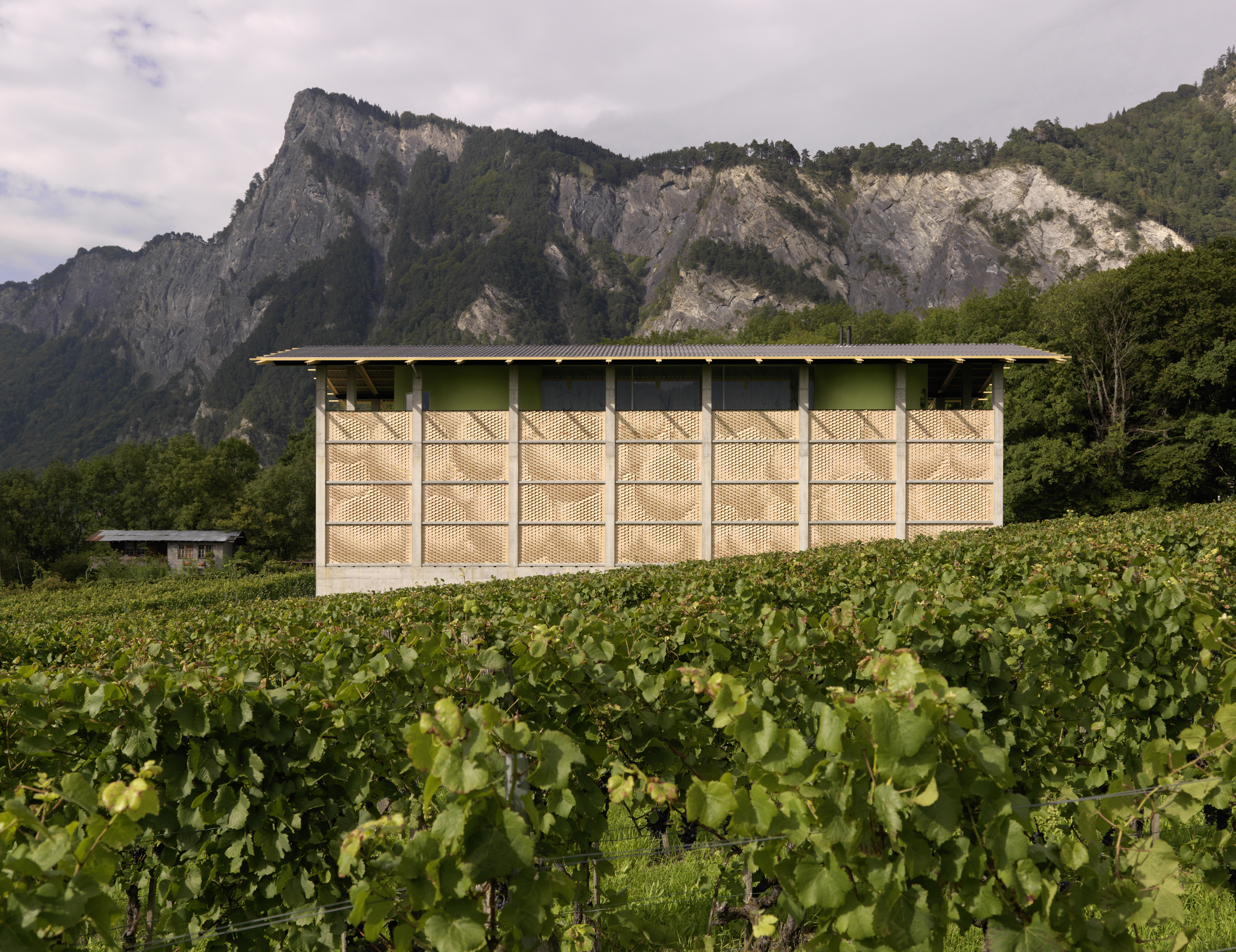
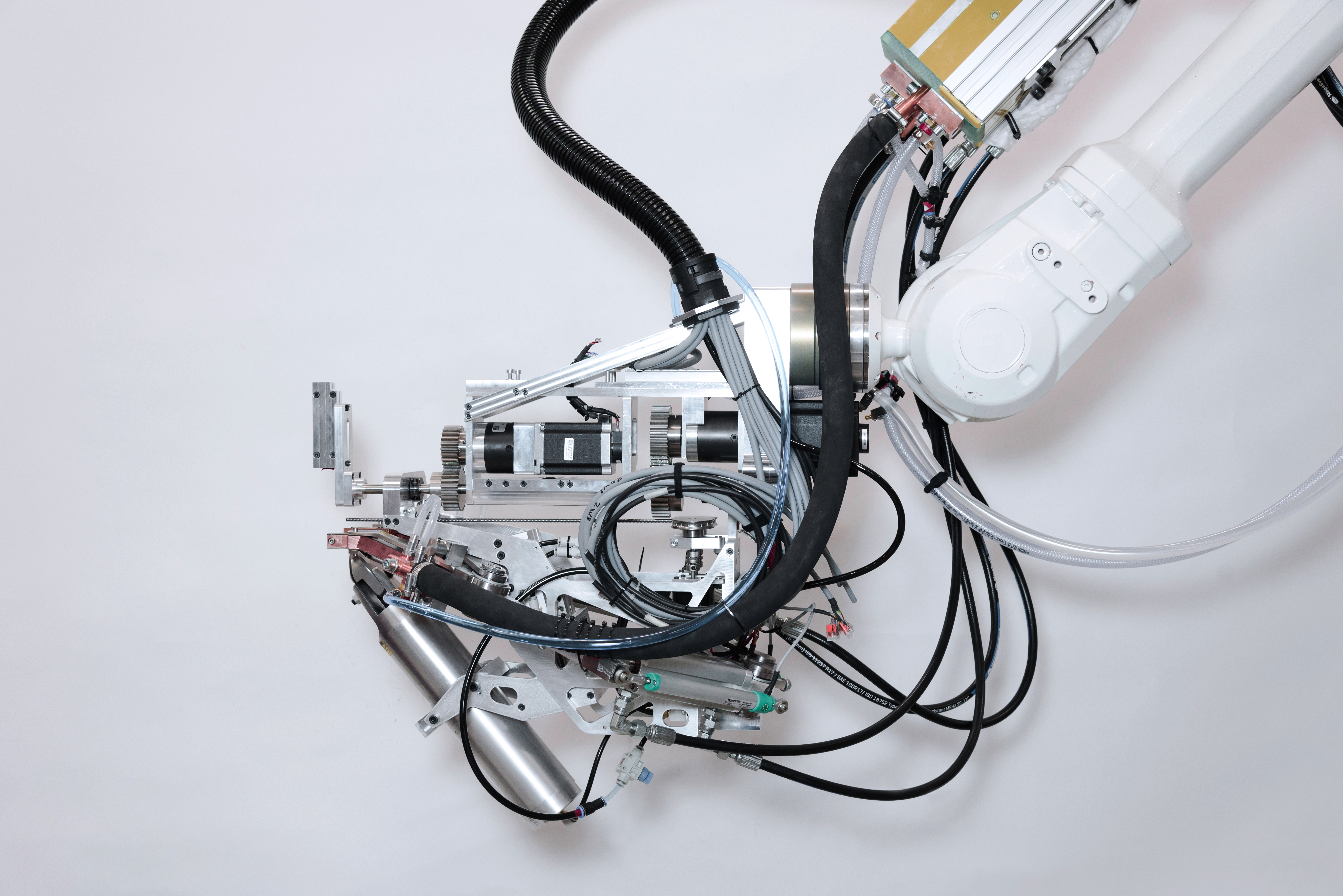
Swiss architects Fabio Gramazio and Mathias Kohler are pioneers in the use of robotic technology in architecture. For more than two decades, they have explored how robots can become co-creators in the building arts.
In I’m not a robot, they demonstrate how technology and craftsmanship can come together in surprising and sensory forms, where both humans and machines relinquish a little control – and something entirely new emerges.
Selected artworks
In collaboration with


Supported by








VOLA er Principal Partner hos Utzon Center